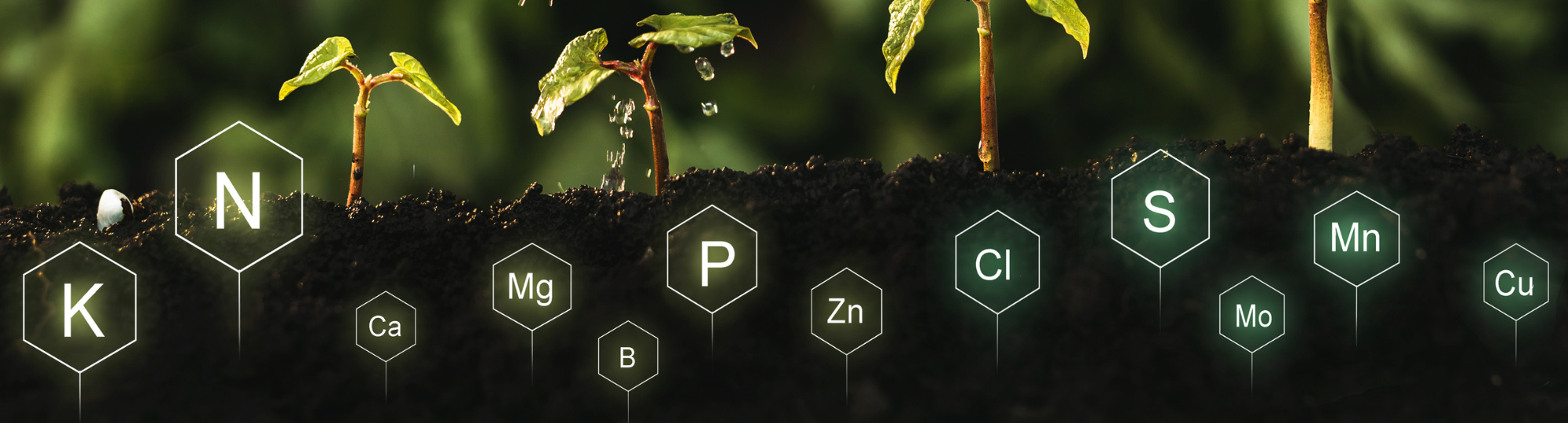
When it comes to agriculture, crop productivity is the central point in any decision-making process for rural producers. One of the biggest challenges faced is ensuring that plants receive the right nutrients, in the ideal quantity and at the right time to develop.
Among these nutrients, calcium, magnesium, sulfur and boron stand out for their essential role in the healthy development of plants, and when applied in combination, they contribute to a significant increase in productivity potential. But do you know what the individual benefits of each of these nutrients are and how, together, they transform crops?
We will talk about this topic in the article:
Understanding the role of each nutrient in soil and plants
Let's look in detail at how each nutrient acts on plants and helps them develop:
Calcium: It is a fundamental component for root growth and structural stability of plants. Calcium acts on cell walls, ensuring that the plant develops with strength and vigor. In addition, it also contributes to the activation of necessary enzymes and improves the absorption of other nutrients in the soil.
Magnesium: Magnesium is a key component of photosynthesis, as it is the central nucleus of the chlorophyll molecule. Without magnesium, plants cannot perform their vital process of transforming sunlight into energy. It also aids in the mobilization of phosphates and the synthesis of carbohydrates, both of which are essential for healthy growth.
Sulfur: Responsible for ensuring protein production and activating various enzymes, sulfur has a direct impact on crop quality and productivity. A deficiency can lead to reduced yield and poor plant formation, directly affecting the final result of the harvest.
Boro: This micronutrient plays a crucial role in the formation of flowers and fruits. Boron influences cell division and the transport of sugars, vital elements for the uniform growth of plants. Its presence is also linked to pollen germination and the proper development of fruits and grains, which can be decisive in crops such as cotton and soybeans, major players in the country's agricultural production.
The combination that enhances results
When applied together, calcium, magnesium, sulfur and boron work cooperatively. Calcium, for example, improves root permeability, facilitating the absorption of magnesium and sulfur. Magnesium, in turn, boosts the photosynthesis process, generating more energy for the plant to efficiently use other nutrients. Boron, by improving fruit formation, complements the work of sulfur, ensuring that the plant's development is uniform and of high quality. This synergy is very important for the plant to reach its maximum productivity potential.
Optmix BS: the ideal tool for more productive farming
Viter's product combines these four nutrients in a homogeneous mixture, providing a practical and effective application. By combining calcium, magnesium, sulfur and boron in the same formula, Optmix BS optimizes the soil with greater efficiency and quality, ensuring that the plant has access to the necessary nutrients in a balanced and continuous manner. This optimized approach reduces the need for multiple applications and maximizes the use of each element, making the crop healthier, more productive and providing greater profitability for the producer.
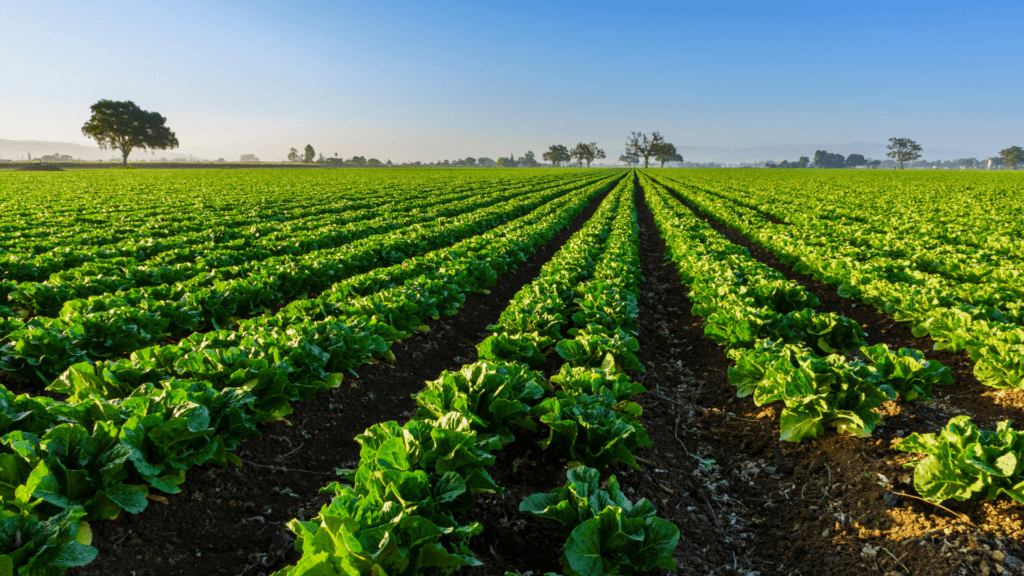
Investing in balanced nutrition ensures crop success. The combination of 4 micronutrients (Calcium, Magnesium, Sulfur and Boron) enhances plant development, providing greater resistance, quality and productivity. Optmix BS is the ideal solution for producers looking to optimize their practices and ensure superior results.
Learn more about Optmix BS and discover how it can enhance your crop. Contact our team and find out more details.
More about soil preparation and crop protection
 Optmix, combination of agricultural limestone and gypsum in a single application, more optimization in soil care
 Itaú Limestone awarded 5 consecutive times
 Study carried out with CalFértil proves increased productivity in soybean and corn crops
 Expansion of the Itapeva factory: Viter invests in greater production capacity to meet growing agribusiness demand