Sustainability and agricultural productivity are topics that are gaining increasing attention and in this scenario, crop rotation presents itself as an efficient and practical strategy to preserve soil health and improve crop results.
What is crop rotation?
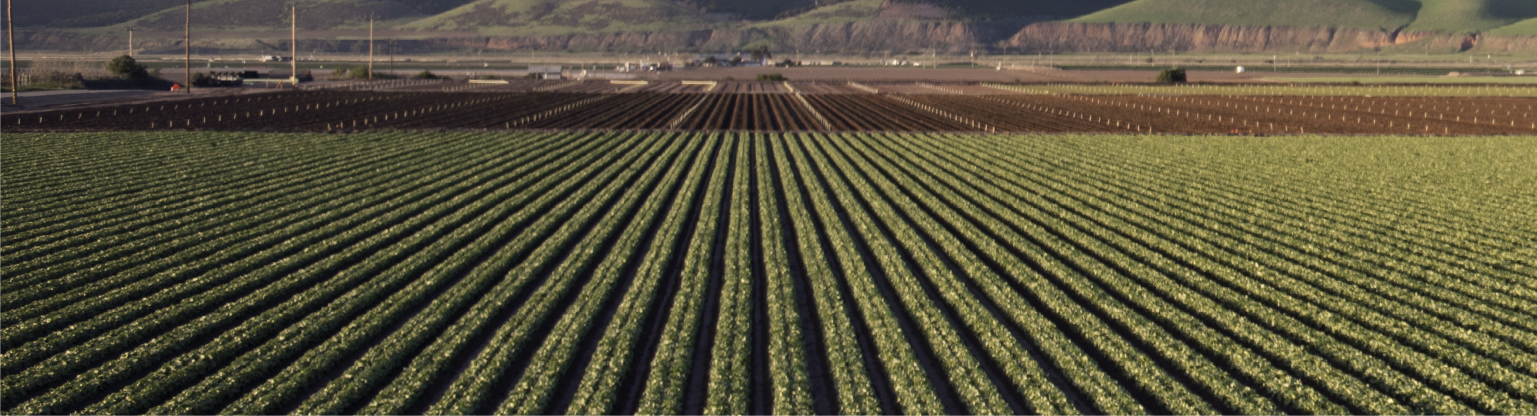
Crop rotation involves alternating different types of crops in the same area over time. Instead of growing a single crop repeatedly, the producer diversifies the species planted, taking advantage of the benefits that each one can offer to the soil and the environment.
This method is especially useful for breaking the cycle of pests and diseases, as well as improving soil structure. Each crop has different requirements and characteristics, contributing to a natural balance in the cultivated area.
The advantages of crop rotation
Crop rotation offers several benefits, both for the soil and for the producer. Among the main ones, we can highlight:
- Pest and disease reduction: alternating crops makes it difficult for harmful organisms to adapt, reducing the need for pesticides.
- Improved soil fertility: Some crops, such as legumes, fix nitrogen in the soil, increasing its fertility for the next planting.
- Conservation of soil structure: Alternating cultivation helps to avoid compaction and erosion, promoting greater retention of water and nutrients.
- Greater sustainability: Species diversification contributes to a more balanced and resilient agricultural system.
How to implement crop rotation
To adopt crop rotation, planning is necessary. The first step is to select crops with different nutritional requirements and development characteristics, such as alternating grasses with legumes, which can yield excellent results. It is also important to define a planting cycle that favors soil recovery and breaks pest and disease cycles. In addition, regular soil analysis allows monitoring of the area's conditions and adjustments to the rotation according to identified needs, ensuring that the strategy is efficient and sustainable over time.
The relationship with productivity
Soils managed with crop rotation have a greater capacity to sustain productive crops over the years. The balance of nutrients, combined with the preservation of soil structure, results in more vigorous plants and more consistent harvests. In addition, this method reduces costs with chemical inputs, since the need for fertilizers and pesticides decreases significantly.
To complement the benefits of crop rotation, soil management and the choice of products used must be well aligned so that they can act strategically. For example, ITAÚ Limestone is an option to be considered, as it helps to correct the soil pH, preparing it to receive different crops and maximizing the results of the rotation. When combined with good agricultural practices, the use of limestone enhances soil health and productivity.
Crop rotation is a simple and accessible practice that can transform crop results. By diversifying crops, producers promote a natural cycle of soil regeneration, reducing costs and increasing productivity in a sustainable way. With the support of products like those offered by Viter, it is possible to further optimize this strategy and reap the rewards of balanced and productive agriculture. Talk to your nearest consultant and find out how we can help you!